Navigating the Future of Urban Living: Real Estate Trends in Emerging Cities
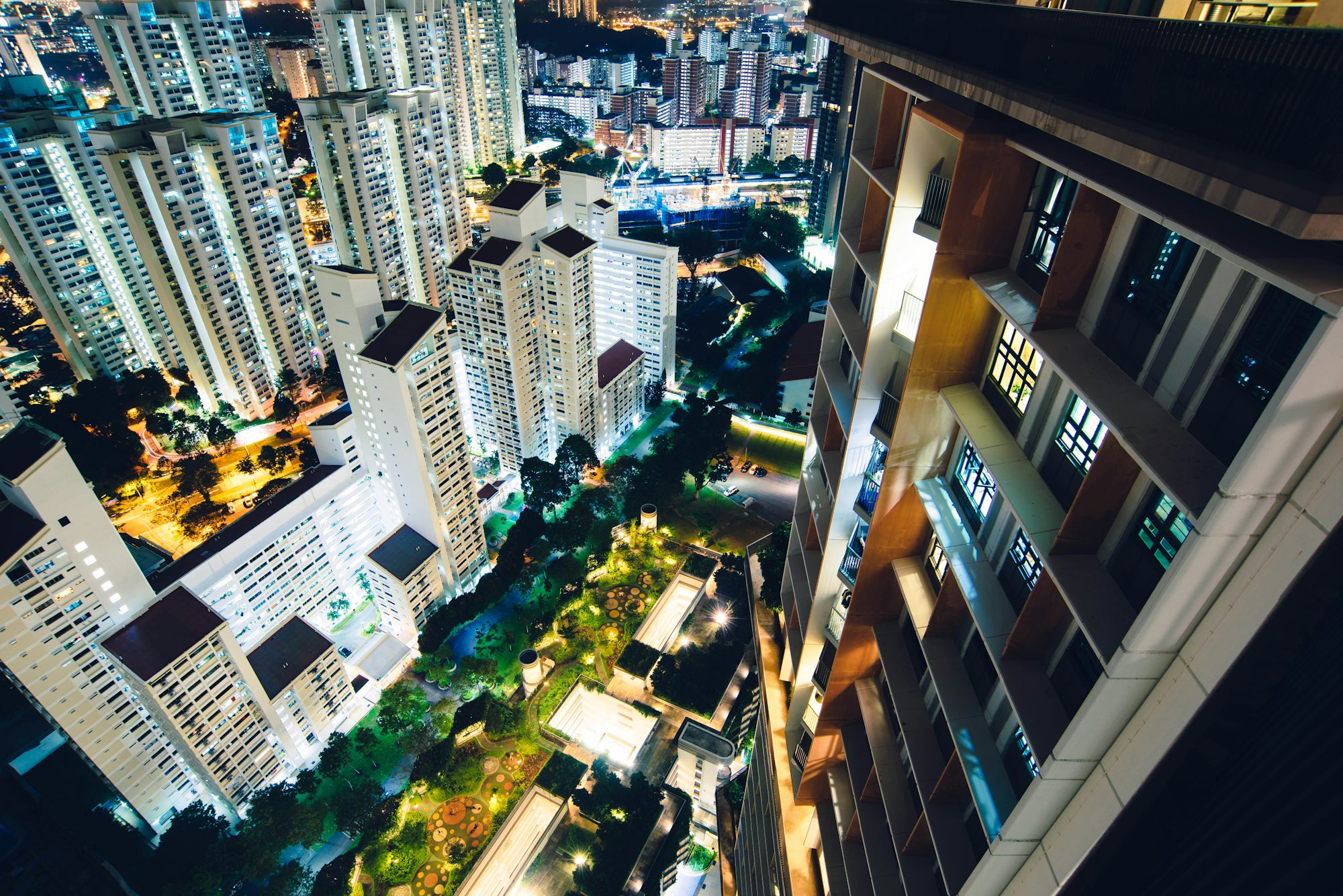
One of the most notable trends in emerging cities is the increasing integration of technology into everyday life. With the rise of smart city initiatives, urban planners are leveraging data and technology to enhance infrastructure and improve the quality of life for residents. From smart traffic management systems to energy-efficient buildings, technology is reshaping how cities function. This shift is driving demand for properties that incorporate smart technologies, appealing to a tech-savvy population that prioritizes convenience and sustainability.
In tandem with technological advancements, the emphasis on sustainability is gaining momentum in urban development. As climate change concerns rise, cities are striving to create eco-friendly environments that promote sustainable living. Developers are increasingly focusing on green building practices, utilizing renewable materials, energy-efficient designs, and sustainable landscaping. This trend is not just a response to environmental concerns; it also reflects a growing consumer preference for sustainable properties. Homebuyers and renters are actively seeking out eco-conscious developments, making sustainability a crucial factor in the real estate market.
Moreover, the concept of mixed-use developments is becoming increasingly popular in emerging cities. These projects integrate residential, commercial, and recreational spaces within a single development, fostering vibrant communities where residents can live, work, and play. This trend aligns with the desires of modern urban dwellers who prioritize convenience and accessibility. By creating walkable neighborhoods that reduce reliance on cars, mixed-use developments contribute to a more sustainable urban environment while enhancing the overall quality of life.
The rise of remote work is another factor reshaping the real estate landscape in emerging cities. As businesses embrace flexible work arrangements, many professionals are seeking homes that offer a conducive work environment. This shift has led to increased demand for properties with dedicated office spaces, high-speed internet access, and proximity to amenities. Developers are responding by creating residential units that cater to remote workers, incorporating features that enhance productivity and comfort.
As urban populations continue to grow, affordable housing remains a pressing concern. Emerging cities are grappling with the challenge of providing sufficient housing options for their residents, particularly for low- and middle-income families. In response, local governments and developers are exploring innovative solutions to address affordability. Initiatives such as inclusionary zoning and public-private partnerships are gaining traction, aiming to create a diverse range of housing options that cater to various income levels.
In addition to affordability, the preservation of cultural heritage is an essential consideration in the real estate development process. Emerging cities often boast rich histories and diverse cultural identities that residents cherish. Developers are increasingly recognizing the importance of preserving historical landmarks and integrating cultural elements into new projects. By celebrating local heritage through architecture, public art, and community spaces, developers can create a sense of place that resonates with residents and enhances the overall appeal of the city.
The role of community engagement in the development process is becoming more pronounced as well. Involving residents in decision-making fosters a sense of ownership and connection to their neighborhoods. Successful projects often incorporate feedback from the community, ensuring that developments reflect the needs and desires of local residents. This collaborative approach not only enhances the success of real estate ventures but also strengthens community ties, contributing to a more vibrant urban environment.
In conclusion, the future of urban living in emerging cities is being shaped by a combination of technology, sustainability, and community engagement. As developers navigate the complexities of the real estate market, understanding these trends is crucial for creating successful and vibrant urban spaces. By embracing innovation, prioritizing sustainability, and involving the community in the development process, stakeholders can contribute to the creation of thriving cities that meet the evolving needs of their residents. The landscape of urban living is changing rapidly, and those who adapt to these shifts will play a pivotal role in shaping the future of our cities.